

Ryan Family Research Acceleration Fund Advances Breakthrough Science
More than $6 million in seed funding to date accelerates high-impact research toward commercialization
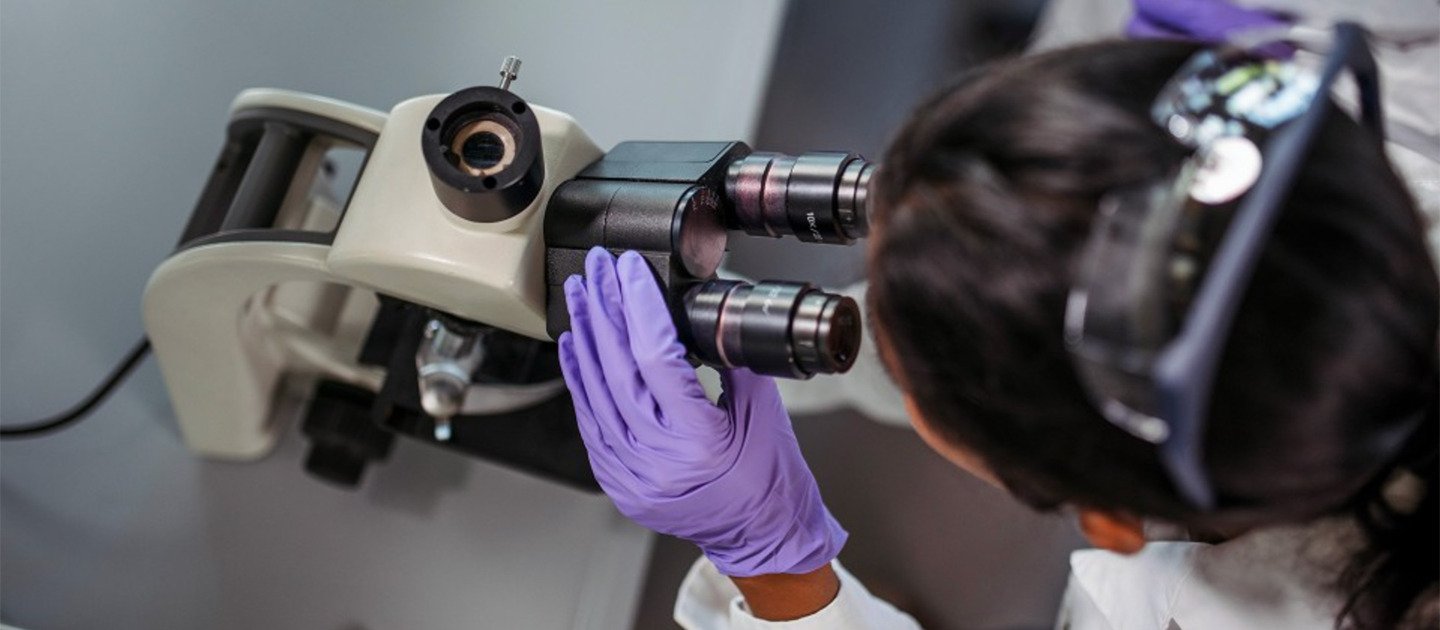
The Pat & Shirley Ryan Family Research Acceleration Fund, a $35 million initiative of Northwestern University and the Ryan Family Foundation, is advancing life sciences research with immediate societal impact.
Over three rounds of funding, the initiative has awarded more than $6 million to support 25 groundbreaking projects from a competitive pool of 177 proposals submitted by Northwestern researchers. Panels of faculty and external experts evaluated proposals, and a University leadership committee then assessed the recommendations.
In its third round, the fund awarded more than $2 million to support nine exceptional research projects that aim to translate cutting-edge life science discoveries into transformative, practical solutions.
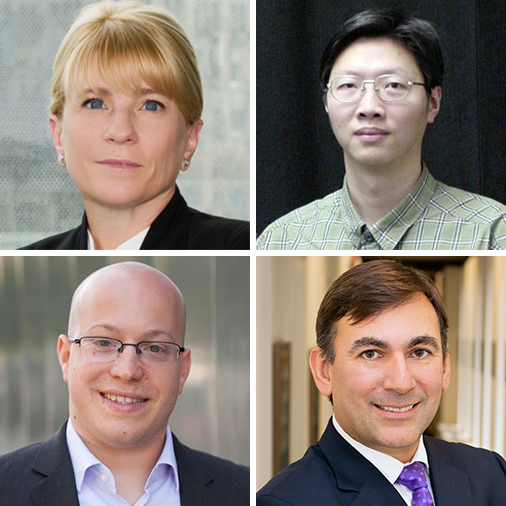
Northwestern Engineering Round 3 principal investigators and projects include Professors Shana O. Kelley, Ying Wu, Milan Mrksich, and Jonathan Rivnay.
Shana O. Kelley
Kelley, the Neena B. Schwartz Professor of Chemistry and Biomedical Engineering at the McCormick School of Engineering and the Weinberg College of Arts and Sciences, is leading the development of a next-generation implantable sensor for continuous monitoring of protein biomarkers related to diabetes, offering a transformative alternative to current continuous glucose monitors (CGMs), which only provide an indirect view of metabolic health. Her team’s device uses a novel, rapid regeneration method (<1 minute), enabling real-time measurement of a wide range of protein biomarkers. Unlike conventional sensors that rely on slow diffusion or complex processing, this system allows for seamless, continuous monitoring in real time. Backed by a provisional patent and patent cooperation filing, the team aims to advance the device toward animal model validation and scalable production.
Why it matters: Diabetes affects millions worldwide, yet current monitoring tools fall short of providing a complete metabolic picture. This breakthrough technology addresses that gap by enabling direct, continuous tracking of key disease markers, paving the way for more precise and personalized diabetes management. With no existing devices offering this capability, the platform has the potential to tap into and expand the $32.7 billion CGM market, creating a new category in wearable health diagnostics.
Ying Wu
Wu, professor of electrical and computer engineering, is working with Bonnie Martin-Harris, the Alice Gabrielle Twight Professor of communication sciences and disorders at the School of Communication, on developing an AI-powered tool to enhance clinicians’ ability to assess swallowing disorders (dysphagia) using X-ray videos from a procedure called the Modified Barium Swallow Study, the gold standard for evaluating swallowing. The tool automatically identifies key anatomical points and assigns clinically validated scores, reducing time and improving consistency.
Why it matters: Dysphagia affects millions and can lead to serious health issues. Current manual scoring is slow and inconsistent. This AI tool enhances accuracy, efficiency and reliability, providing an explainable, clinician-friendly solution suitable for practical use and future commercialization. Next, the team will refine and test the tool in real-world clinical settings, pursue partnerships and move toward FDA approval and commercialization.
Milan Mrksich
Mrksich, Henry Wade Rogers Professor of Biomedical Engineering; professor of chemistry and cell and developmental biology at the McCormick School of Engineering and Weinberg; and William Klein, professor of neurobiology, Weinberg, are developing a novel class of modular antibodies, or “MegaMolecules,” to target amyloid beta oligomers (AβOs), toxic proteins strongly implicated in the development of Alzheimer’s disease (AD). Unlike current therapies that offer only modest benefits, these next-generation antibodies feature enhanced binding capabilities and improved ability to cross the blood-brain barrier, increasing their therapeutic potential. This work builds on successful previous research also funded by the Ryan Family Research Acceleration Fund.
Why it matters: With over 30 million people affected worldwide — and that number expected to exceed 45 million by 2030 — Alzheimer’s disease remains a major global health challenge. Current treatments only modestly slow disease progression. By directly targeting the toxic AβOs that contribute to neurodegeneration, Mrksich and Klein’s platform could deliver a much more effective therapeutic option. Given the market potential demonstrated by drugs currently on the market, the MegaMolecule platform could represent a transformative advancement in both the treatment and diagnosis of AD.
Jonathan Rivnay
Rivnay, professor of biomedical engineering and materials science and engineering, is developing a next-generation implantable device that could transform the delivery of biologic drugs. Today, biologic therapies (such as insulin or anti-inflammatory agents) are expensive, require repeated injections and often suffer from poor patient adherence. Rivnay’s innovative approach uses bioelectronics to support engineered living cells — known as “cell factories” — housed within a tiny, implantable device, enabling the continuous production and delivery of medicine directly inside the body.
Why it matters: This technology has the potential to revolutionize the treatment of chronic diseases by enabling long-term, low-maintenance delivery of life-saving biologics. By reducing the need for repeated injections and improving treatment consistency, this approach could dramatically improve patient outcomes while lowering costs — especially for conditions like autoimmune disorders, where sustained therapy is critical.
Made possible by a gift from the Patrick G. ’59, ’09 H and Shirley W. Ryan ’61, ’19 H (’97, ’00 P) Family, the Ryan Family Research Acceleration Fund plays a pivotal role in advancing Northwestern’s research mission, in particular the University’s priority to advance the biosciences. It does so by providing strategic seed funding to help turn promising discoveries into real-world applications. Created to bridge the critical gap between academic proof of concept and commercialization known as the “valley of death,” the fund supports high-impact projects with strong translational potential.
This year’s cycle drew 38 proposals from principal investigators across Northwestern’s schools and centers — highlighting the University’s vibrant research environment. After a competitive review process, selected proposals each received up to $278,000 for one year to accelerate development and deliver measurable societal benefits.
“Our family established the Ryan Acceleration Fund to strengthen Northwestern’s capacity to turn groundbreaking research into transformative results,” said Patrick G. Ryan. “By investing early in outstanding ideas, we’re helping to overcome one of the biggest hurdles in innovation — getting critical discoveries out of the lab and into the world to enable these promising technologies to reach their full potential and benefit society. This initiative reflects our deep belief in the power of biosciences and interdisciplinary research to improve lives, fuel the economy and keep Northwestern at the forefront of global scientific leadership.”
Support from the Ryan Acceleration Fund has already helped launch translational startups linked to earlier funding rounds. Examples include William Muller’s Laborecom, a venture focused on developing therapeutics to mitigate injury after myocardial infarction, and ModuMab Therapeutics, a venture based on the research of Mrksich that is focused on commercializing modular antibodies for a diverse range of applications including mimics that act as diagnostics and therapeutics.
Selection criteria emphasize the research’s transformative potential, differentiation from existing approaches, key project milestones achieved, next-phase outlook and feasibility of near-term execution, including the strength of the research team. The selected third-round proposals focus on therapeutics, health IT/data science analytics, and medical devices. Many involve cross-field and cross-school collaborations, fostering partnerships between Northwestern’s medical, engineering and liberal arts schools.
“The Ryan Family Research Acceleration Fund is catalyzing innovation at a critical moment,” said Eric J. Perreault, vice president for research. “As federal funding for university research faces uncertainty, this philanthropic support is more vital than ever. It empowers our faculty to move bold ideas forward and translate breakthrough discoveries into real-world solutions. We are deeply grateful to the Ryan Family for their vision and commitment to advancing Northwestern’s research mission.”
Beyond McCormick projects, other Round 3 principal investigators include Serdar Bulun, John J. Sciarra Professor of Obstetrics and Gynecology, and Ping Yin, research professor of obstetrics and gynecology, Feinberg School of Medicine; Brandon Jutras, associate professor, microbiology-immunology, Feinberg; Elizabeth M. McNally, Elizabeth J. Ward Professor of Genetic Medicine, professor of biochemistry and molecular genetics, and Alexis R. Demonbreun, associate professor, pharmacology, Feinberg; Miriam A. Novack and Stephanie Ruth Young, assistant professors of medical social sciences, Feinberg; and Vipul Shukla, assistant professor, cell and developmental biology, Feinberg.
“I applaud the recipients for their bold research that pushes the boundaries of the life sciences,” said Jian Cao, associate vice president for research. “These projects reflect Northwestern’s collaborative culture and leadership in translating discovery into impact. The Ryan Family Research Acceleration Fund is a vital spark in our intentionally built ecosystem — one that fosters cross-disciplinary connections to create innovation and deliver real-world solutions.”