
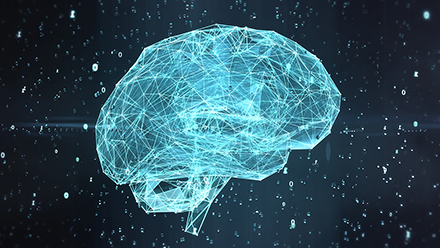
AI Gets a Cerebellum
A cerebellum-inspired electronic device detects unexpected events while using about 10,000 times less computing power than conventional AI.
Mark Hersam - MSE

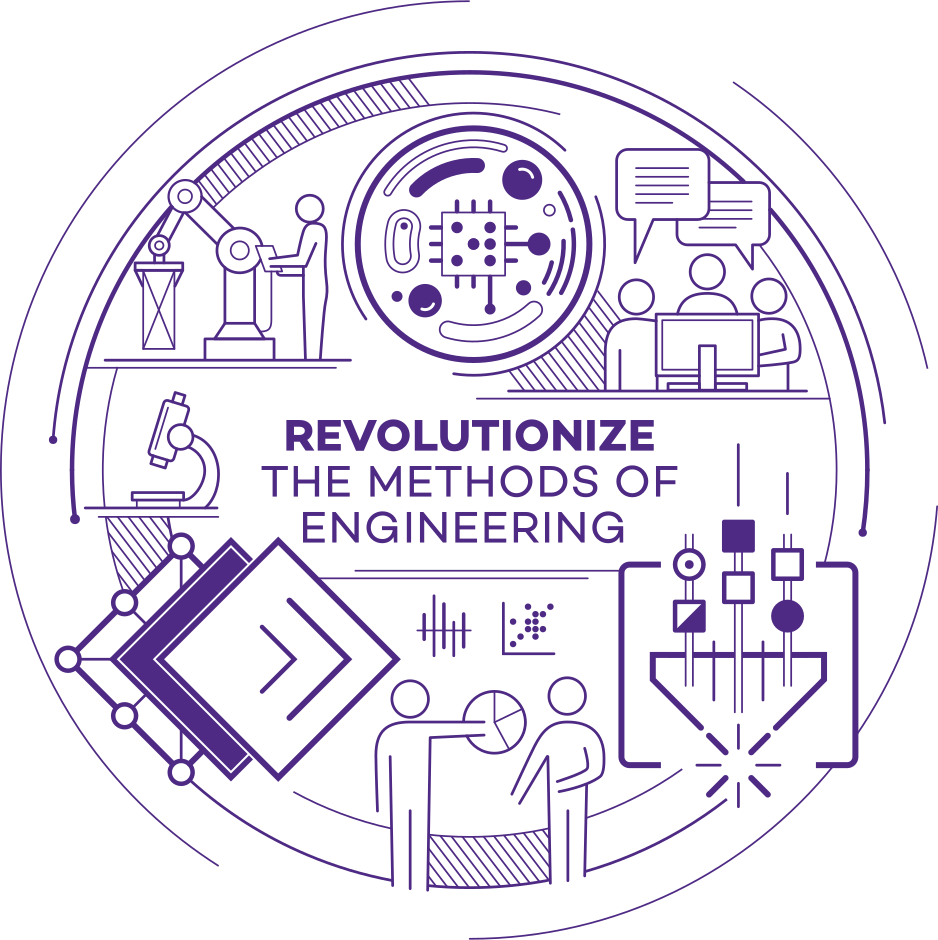
We’ll guide engineering into the future with new tools and methodologies.
How engineers work is changing, and it’s changing quickly. Now is the time to define how engineers will drive the field forward.
We are building on our existing strengths in three key research areas to foster new tools and methodologies that all engineers will need to know.
Engineering at the interface of living and non-living systems
Northwestern engineers are maximizing biology’s potential across a wide spectrum of research — from harnessing biology directly to build new tools and systems to extracting biology’s own design principles to build electronics that mimic biological function.
Impact areas include: synthetic biology, bioelectronics, biomaterials, and neuromorphic engineering.
A cerebellum-inspired electronic device detects unexpected events while using about 10,000 times less computing power than conventional AI.
Mark Hersam - MSE

A biohybrid implant that integrates engineered drug-producing cells with an embedded, wireless, oxygen-generating bioelectronic system to maintain cell viability and enable continuous multi-drug production.
Jonathan Rivnay - BME, MSE
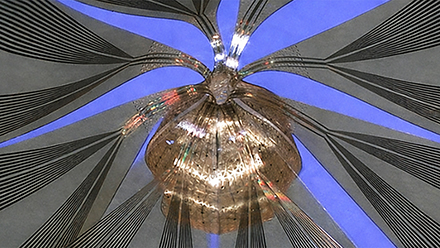
A soft, shape-conforming 3D electronic mesh that wraps around organoids to enable near-complete, high-resolution mapping and stimulation of neural activity.
John Rogers - MSE, BME

Co-designing new materials alongside their desired applications
Traditionally, the limits of technology have been defined by the materials available to build it. Northwestern engineers are changing this landscape. By combining strengths in materials science, generative AI, and machine learning, we simultaneously design new materials at the atomic and microstructural level alongside the applications for which those materials will be used. This co-design approach integrates material composition, processing, and performance outcomes from the outset, accelerating discovery and enabling solutions tailored to the demands of each application.
Impact areas include: energy, electronics, aerospace, biomedical, quantum technologies, and manufacturing.
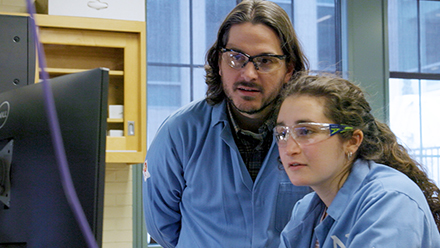
Concurrent materials design speeds the path to safer, longer-lasting, more sustainable batteries
Jeff Lopez and Jeff Richards - ChemBE

Northwestern researchers identified topological materials and used advanced simulations and machine learning to find those that could maintain strong electrical flow in ultrathin wires.
James Rondinelli - MSE
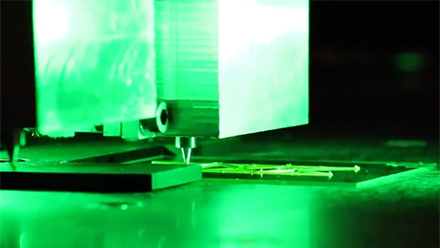
Researchers developed a co-design framework that unites AI, physics, and 3D printing into an end-to-end pipeline to autonomously create materials that change shape in response to multiple stimuli.
Wei Chen - ME
Ryan Truby - MSE, ME
Building reliable systems that work, and defining their limits
The modern world is awash in data, yet that data represents a surprisingly narrow slice of reality. While many race to apply AI tools to the data that we have, mistaking model confidence for real-world reliability, Northwestern engineers take a more critical stance. We are identifying where data is missing, exposing where AI systems fail or mislead, and developing the foundational methods to close those gaps before deployment, not after.
This instinct comes from our roots in our Midwest manufacturing and clinical tradition where systems must work the first time and vaporware isn’t tolerated. Northwestern engineers combine strengths in AI, machine learning, optimization, and applied mathematics to build powerful and trustworthy systems, and rigorously defining when they can be relied upon.
Impact areas include: transportation, health, misinformation, and energy.
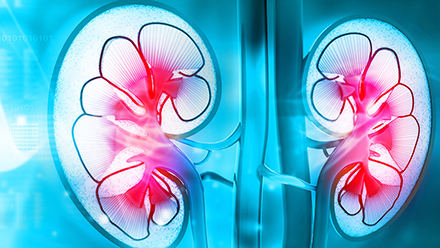
Researchers developed a data-driven adaptive algorithm that dynamically adjusts organ offer strategies based on observed acceptance behavior and system feedback.
Sanjay Mehrotra - IEMS

Using applied mathematics, Daniel Abrams built a model showing animal communication signals share a universal tempo—turning scattered biological data into a unifying, testable principle.
Daniel Abrams - ESAM
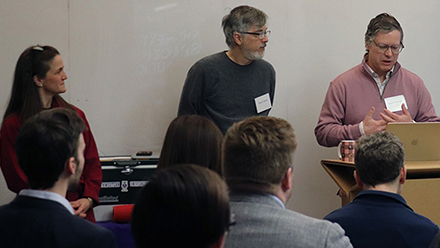
Center for Human-Computer Interaction + Design convened an interdisciplinary group to discuss the validity and trustworthiness of social and behavioral data simulated by large language models.
Jessica Hullman - CS (organizer)