

Tackling a Knowledge Management Problem
Adrienne Kline launched CiteGeist, an AI-powered platform for academic research workflows
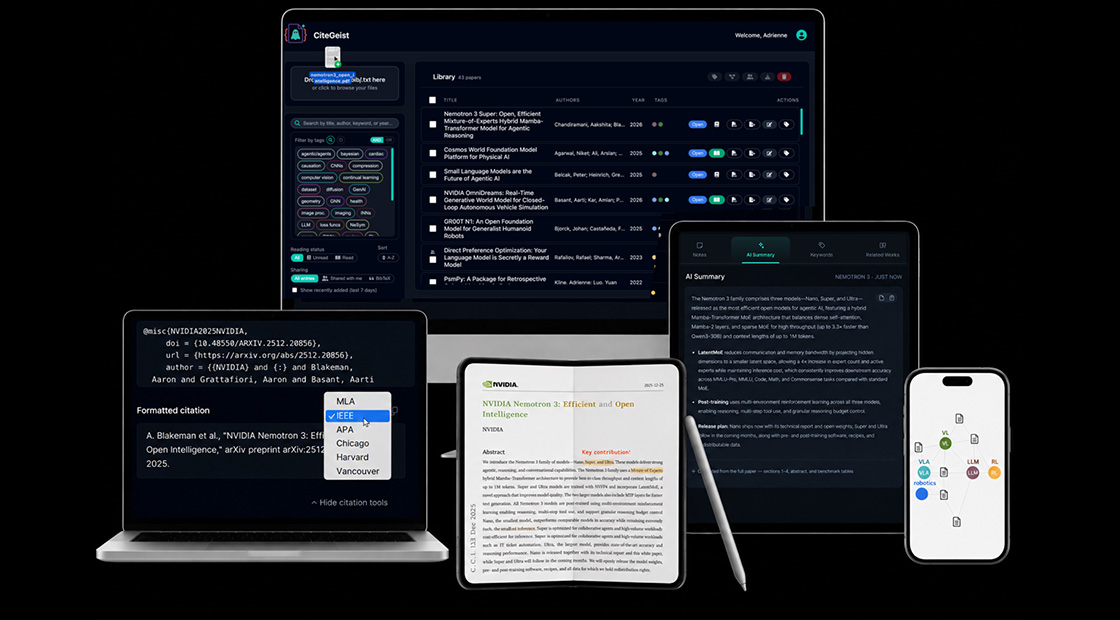
Long frustrated with siloed, disconnected, and inefficient academic research workflows, Northwestern Engineering’s Adrienne Kline developed CiteGeist, a cloud-based, AI-powered research management platform. The tool leverages her expertise in bridging algorithmic innovation with clinical practice. CiteGeist stands to benefit Kline and countless researchers around the globe as they discover, read, annotate, organize, and cite scientific literature.
“What began as a solution to my own daily research struggle has grown into a broader platform for helping researchers navigate an overwhelming and rapidly changing body of knowledge without losing trust, context, or control,” said Kline, a research assistant professor of surgery at Northwestern University Feinberg School of Medicine and affiliate faculty member in the Department of Electrical and Computer Engineering. She is also Head of AI and Engineering at the Bluhm Cardiovascular Institute’s Center for Artificial Intelligence.
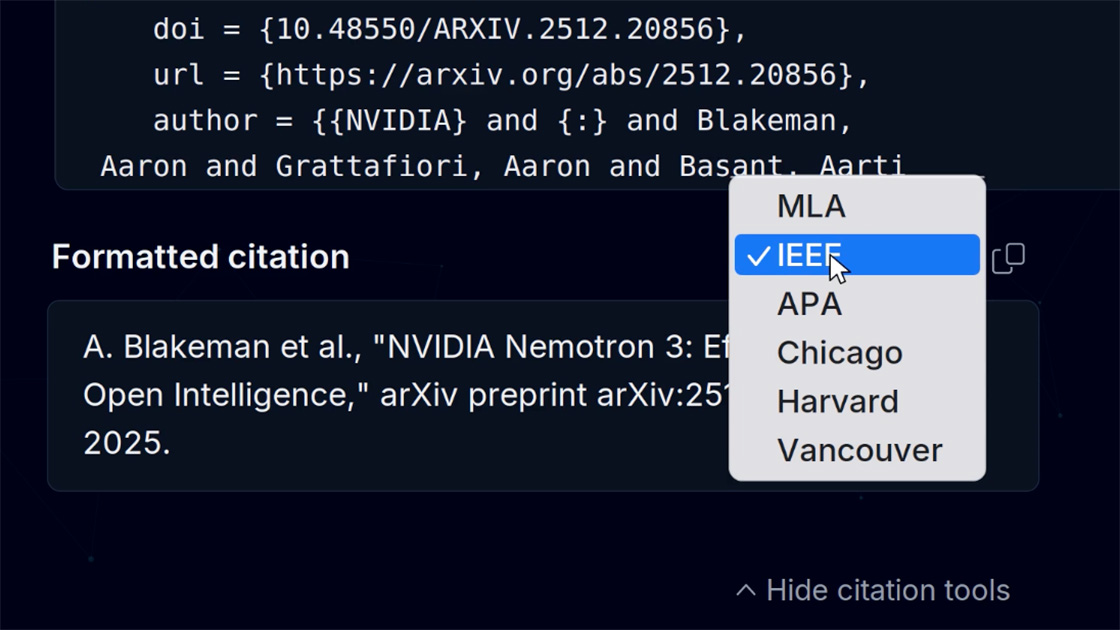
Launched in July, CiteGeist aims to help researchers uncover relationships across their sources, synthesize information faster, generate source-grounded insights, and reduce errors in the citation process. Kline hopes CiteGeist will benefit anyone whose work depends on engaging with scientific literature—from graduate students and postdoctoral fellows to faculty and clinical investigators across universities, hospitals, and government and commercial labs.

From struggle to solution
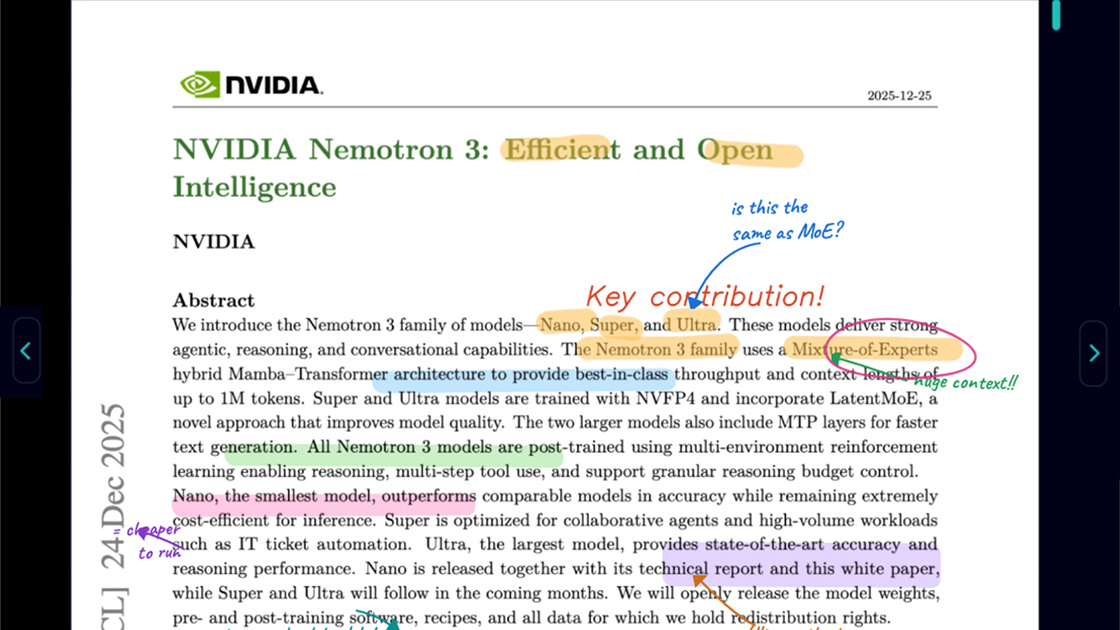
Before developing the tool, Kline used to spend evenings reading and hand-annotating papers on a tablet, only to find resources scattered across devices and apps. As generative AI tools became part of daily research, a new complication emerged: AI could summarize papers and answer questions, but it often obscured where the information came from, sometimes fabricating or misattributing citations altogether. Every AI-generated insight still had to be manually traced back to its source before it could be trusted.
Kline saw her frustrations managing, storing, and using research papers mirrored across the research community. Decades of printed papers, handwritten notes, and personal filing systems crowded the offices of senior colleagues, while students built makeshift tracking systems in spreadsheets to keep tabs on what they had read and how it related to a given project.
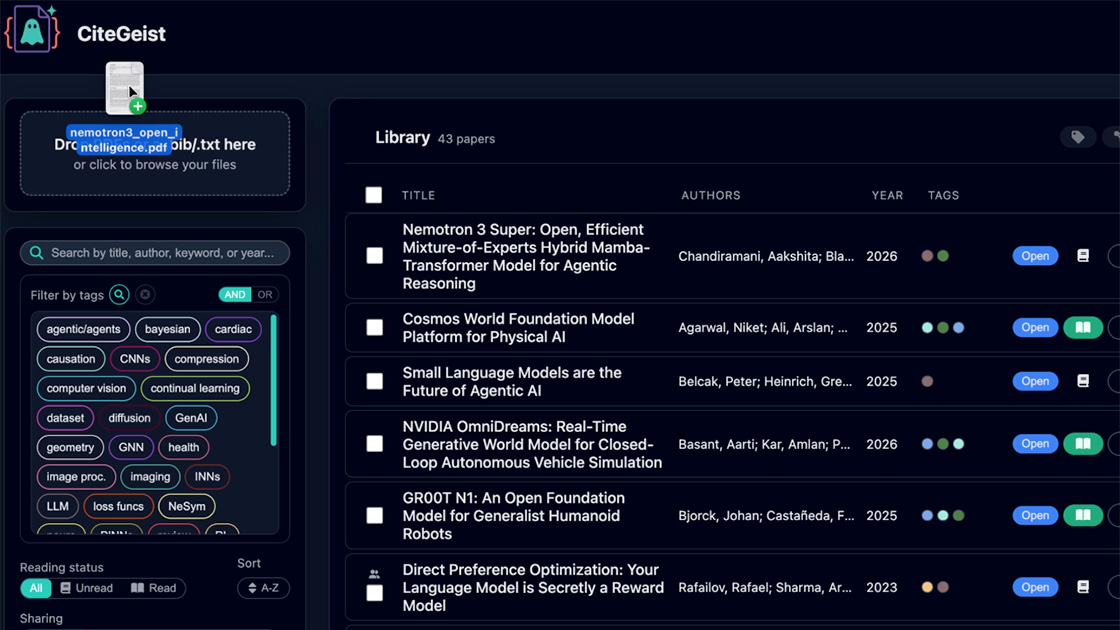
CiteGeist organizes assets through flexible relational tags to amplify research overlap and connections with other work, creating Kline’s optimal research environment. The platform, powered by NVIDIA’s Nemotron 3 model, was developed with support from NVIDIA and Amazon Web Services. Enabling a living knowledge base among collaborators, CiteGeist also allows teams to preserve notes, insights, and context around shared papers.
Kline is director of the Technology Engineering Novel Solutions Optimization Research (TENSOR) Lab. Her research centers on building auditable AI methods for high-stakes clinical settings—spanning full-lifecycle medical imaging, reinforcement learning for clinical operations, clinical natural language processing, continual learning, and uncertainty quantification. Kline’s focus on transparency and trustworthiness carried directly into CiteGeist’s design: the platform uses AI to summarize papers and surface relevant new research while preserving the citations, provenance, and context necessary to make those discoveries auditable and traceable to the original source.
Early feedback and impact
Within Kline’s lab, the biggest gains from CiteGeist have come in productivity and collaboration, with papers, annotations, AI-generated summaries, verifications, and citations living in one shared environment.
“Researchers spend far less time searching for papers, recreating citation libraries, or trying to remember where they stored an important annotation,” Kline said. “New lab members can get up to speed much more quickly, and collaborators can build directly on one another's work instead of starting from scratch.”
The platform’s emphasis on provenance has also supported the TENSOR Lab’s research quality and reproducibility, Kline explained, giving researchers confidence to verify claims, inspect the underlying evidence, and cite sources accurately in manuscripts and grant proposals.
Looking ahead
Kline sees CiteGeist as part of her larger effort to build AI systems that center human expertise and judgment, particularly in complex, high-stakes fields like healthcare. Rather than automating researchers out of the loop, her goal is to help them uncover hidden connections in the literature and make better-informed decisions.
“With CiteGeist, we are exploring how to move beyond dated software experiences and reimagine AI-native platforms as intelligent partners for discovery, synthesis, and knowledge creation,” Kline said. “I hope to continue pushing this evolution forward and to create technology that is trustworthy, interpretable, and designed to amplify human potential rather than replace it.”