Using Data for Impact
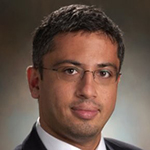
Ali (Ashkan) Marami, executive director and head of operations and digital AI/ML model risk management at JPMorganChase, goes behind-the-scenes of his new Time Series class for MLDS students.
Ali (Ashkan) Marami has spent the past decade entrenched in the worlds of data science, machine learning (ML), and finance.
He currently is the executive director in model risk management at JPMorganChase. In that role, Ali leads a team of data scientists who focus on the review and governance of machine learning and AI models used across the consumer bank operations and digital channels.
"Finance is the bloodstream of the economy," Ali said. "It’s satisfying to know that what you do helps businesses grow or makes it possible for families to buy their dream home. That sense of impact keeps the work meaningful."
This quarter, he is expanding on that impact as he shares his knowledge with students in NorthwesternEngineering's Master of Science in Machine Learning and Data Science (MLDS) program. Ali is teaching Time Series, a course that dives deep into advanced methods for modeling, forecasting, and analyzing data.
"Time series data is everywhere — stock prices, supply chains, financial transactions, you name it," he said. "What makes it special is that order matters, and that changes everything about how you model and interpret it. It’s important for students to understand those nuances, recognize the risks in time series models, and learn how to interpret results in a way that leads to better business decisions."
Ali's classes are structured as a combination of lectures and lab work. Each week, students face conceptual questions and are expected to build and analyze models in Python.
The goal is to strike a balance between theory and hands-on practice.
"What sets this course apart from a typical data science bootcamp is that we really dig into the foundations — the 'why' behind time series models," Ali said. "Technology will always evolve, but if students truly understand how these models work and what makes time series unique, they’ll be able to apply that knowledge to any real-world problem and keep up with new methods as they emerge."
Ali sees the evolution and emergence of new methods on a daily basis, particularly with the rapid rise and adoption of AI. He's heard the common refrain about AI replacing employees, and while he understands the concern, he doesn't view it as a replacement. He sees AI as a way to empower people, to help them work smarter, and focus on higher-value tasks.
He does believe that people's perceptions about AI are misaligned — both for now and the future.
"People tend to overestimate AI’s short-term impact and underestimate its long-term one," he said. "Many organizations and schools aren’t yet preparing for how deeply this technology will change the way we work."
That is one of the lessons he hopes to share with his MLDS students.
He wants students to see the technology available to them, understand the fundamental lessons behind it, and then think critically to see how different concepts connect before jumping into code.
While he's looking forward to sharing his knowledge, he's just as excited to learn from the students he'll be teaching.
"MLDS is one of the best programs out there," Ali said. "It strikes the perfect balance between theory and practical application. It’s always inspiring to see how much creativity and curiosity students bring to class, and I wish them all the best on their journey in data science and AI."
Disclaimer:
The views and opinions expressed here are solely those of Ali Marami and do not reflect the views, policies, or positions of his employer JPMorganChase or any of its affiliates.